
Fortnite isn’t just a game; it’s a global phenomenon that has redefined the battle royale genre. Whether you’re a seasoned player or just getting started, the key to dominating the competition lies in having the best possible gaming experience.
One of the most crucial components of your gaming setup is the GPU (Graphics Processing Unit), which plays a vital role in rendering the stunning visuals, smooth frame rates, and immersive world of Fortnite.
In a fast-paced battle royale where every second counts, a powerful GPU ensures you can respond quickly, accurately, and without the interruptions of lag or low frame rates.
Picture this: you’re sliding across the map, building ramps in mid-air, and engaging in high-speed firefights—all while the game’s visuals look crisp and detailed. For Fortnite, a high-quality GPU is not just a luxury, it’s a necessity. But with so many options on the market, how do you choose the right one?
In this guide, we’ll explore the best GPUs for Fortnite, whether you’re after 1080p high settings, 1440p with ultra settings, or aiming for 4K greatness.
We’ll dive into the performance and value each card offers, and help you find the perfect balance between performance, price, and power to elevate your Fortnite experience. Ready to level up your game? Let’s take a deep dive into the world of GPUs for Fortnite!
Top Products:
Best Premium
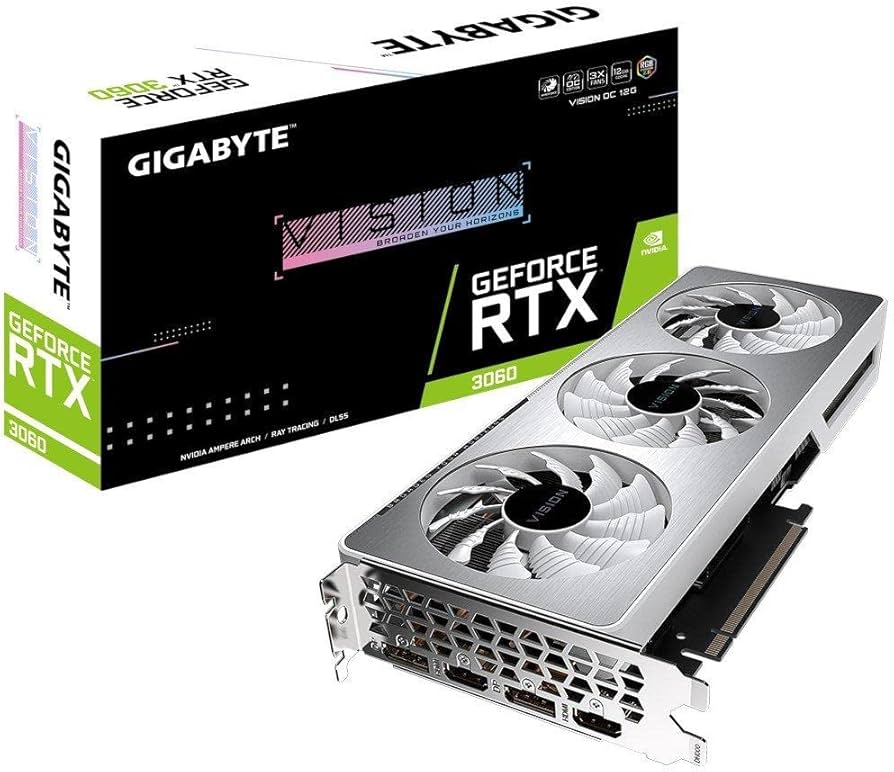
GIGABYTE GeForce RTX 3060
- Excellent 1080p/1440p performance
- 12GB GDDR6 memory
- Real-time ray tracing support
- AI-powered DLSS for improved frame rates
- Great value for mid-range GPU
Best High Airflow
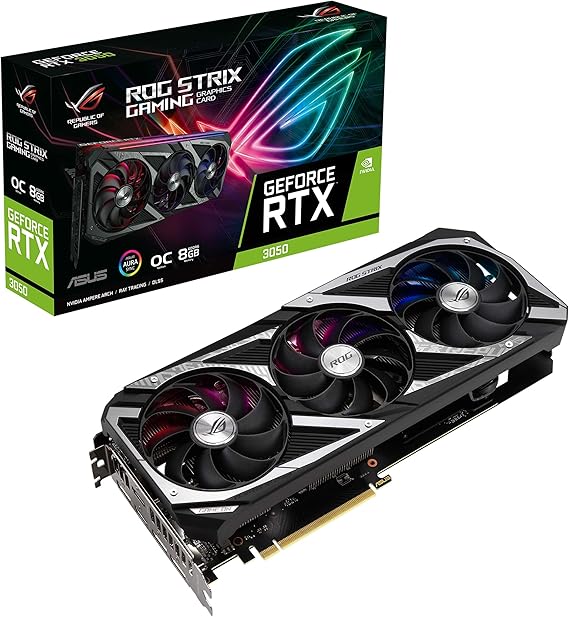
ASUS ROG Strix NVIDIA GeForce RTX 3050
- 2x FP32 throughput for faster performance
- Enhanced ray-tracing with 2nd Gen RT Cores
- Concurrent ray tracing and shading
- Improved power efficiency
- Future-proof with support for DirectX 12 Ultimate
Best Best Budget
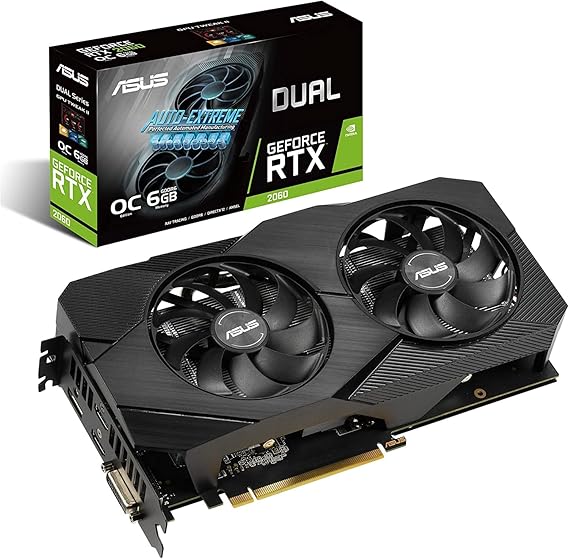
ASUS GeForce RTX 2060
- Supports 8K resolution
- Overclocked 6GB GDDR6 memory
- Multiple display outputs (up to 4 monitors)
- Wing-Blade Fans for quiet and efficient cooling
- Dust-resistant IP5X fan design
Short Buying Guide
Choosing the best GPU for Fortnite depends on your specific gaming goals, budget, and desired performance level. Here’s a quick buying guide to help you pick the right graphics card for your needs:
Performance Requirements:
Entry-Level (1080p, Low-Mid Settings): If you’re okay with lower settings and want to play at 1080p without breaking the bank, look for mid-range cards like the NVIDIA GTX 1660 Super or AMD Radeon RX 6600. These offer solid performance without the high price tag.
Mid-Range (1080p, High Settings or 1440p): If you’re looking for smoother gameplay at 1080p with high settings or want to push to 1440p, consider NVIDIA RTX 3060 or AMD Radeon RX 6700 XT. These cards deliver excellent frame rates and a better overall gaming experience.
High-End (1440p Ultra or 4K): For those who want ultra settings at 1440p or even 4K resolution, you’ll need a top-tier GPU like the NVIDIA RTX 4070 Ti or AMD Radeon RX 7800 XT. These cards ensure smooth performance even at the highest settings and resolutions.
Frame Rate Goals:
For a competitive advantage, aim for 144Hz or higher refresh rates. This ensures smooth gameplay where every frame counts. Opt for GPUs that support high frame rates, like the RTX 3070 or RTX 4080, for buttery smooth, lag-free play.
VRAM:
For Fortnite, 6GB of VRAM is typically the sweet spot for 1080p gaming. However, if you’re planning on higher resolutions (1440p or 4K), look for GPUs with 8GB or more VRAM to handle more demanding textures and graphical elements.
Budget:
If you’re on a tighter budget, mid-range options like the RTX 3060 or GTX 1660 Ti will give you great performance without emptying your wallet. For those willing to spend more for top-tier performance and future-proofing, consider higher-end GPUs like the RTX 4080 or RTX 4090.
Ultimately, the best GPU for Fortnite balances price, performance, and future-proofing for your gaming needs. Make sure to pick one that matches your playstyle, resolution preferences, and frame rate goals!
- Short Buying Guide
- Here are our recommended Top 9 Best GPU for Fortnite which you can purchase today:
- GIGABYTE GeForce RTX 3060
- ASUS Phoenix NVIDIA GeForce RTX 3060 V2
- EVGA GeForce RTX 2060
- ASUS ROG Strix GeForce RTX™ 4060 OC
- ZOTAC Gaming GeForce RTX 3060 Twin
- ASUS ROG Strix NVIDIA GeForce RTX 3050
- ASUS GeForce RTX 2060
- MSI Gaming GeForce RTX 3050 8GB
- RX 550 4GB Graphics Card, LP GDDR5
Here are our recommended Top 9 Best GPU for Fortnite which you can purchase today:
| Award | Design | News | Retailer |
|---|---|---|---|
| Best Premium | Best Pick | VIEW ON AMAZON | |
| Best All Rounder |  | VIEW ON AMAZON | |
| Best Enthusiast |  | VIEW ON AMAZON | |
| Best Performance |  | VIEW ON AMAZON | |
| Best Stylish |  | VIEW ON AMAZON | |
| Best High Airflow | Staff Pick | VIEW ON AMAZON | |
| Best Best Budget | Budget Pick | VIEW ON AMAZON | |
| Best Slim | 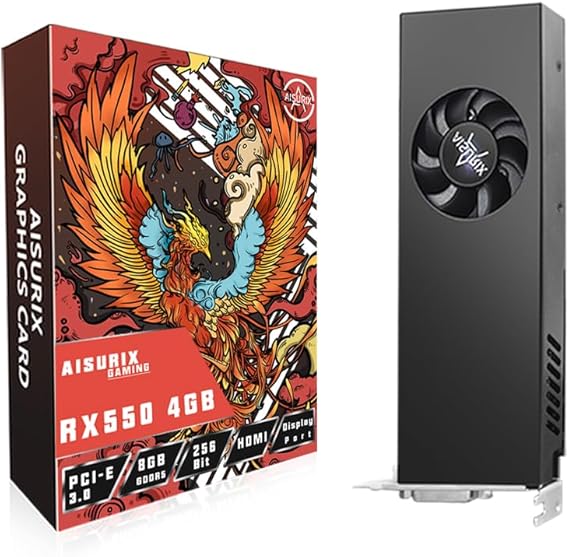 | VIEW ON AMAZON | |
| Best Compact |  | VIEW ON AMAZON |
GIGABYTE GeForce RTX 3060
Best Premium
SPECIFICATIONS
Brand: GIGABYTE | Graphics Ram Size: 12 GB | Video Output Interface: DisplayPort, HDMI | Graphics Processor Manufacturer: NVIDIA
REASONS TO BUY
✓Excellent 1080p/1440p performance
✓12GB GDDR6 memory
✓Real-time ray tracing support
✓AI-powered DLSS for improved frame rates
✓Great value for mid-range GPU
REASONS TO AVOID
✗Not ideal for 4K gaming
✗Performance lags behind higher-end RTX models
The NVIDIA GeForce RTX 3060 is a remarkable graphics card that packs an impressive punch for both gamers and content creators. Powered by NVIDIA’s Ampere Architecture, this GPU offers the cutting-edge performance required for modern gaming and high-end creative tasks.
With 12GB of GDDR6 memory and several advanced technologies built-in, the RTX 3060 is an ideal choice for those looking for powerful performance at a relatively affordable price point.
NVIDIA Ampere Streaming Multiprocessors – Unmatched Performance
The RTX 3060 features NVIDIA Ampere Streaming Multiprocessors (SMs), which provide a significant leap in performance compared to the previous generation.
Ampere’s SMs enhance overall throughput, offering smoother gameplay and faster rendering times. This architecture increases power efficiency while delivering outstanding performance in demanding applications, such as 4K gaming, video editing, and 3D rendering.
Whether you’re playing the latest titles or working on creative projects, the Ampere architecture ensures that the RTX 3060 performs at its best, keeping frame rates stable even during intensive tasks.
The performance boost is particularly noticeable when running graphically demanding games like Cyberpunk 2077 or Call of Duty: Warzone at high settings.
2nd Generation RT Cores – Realistic Ray Tracing
One of the standout features of the RTX 3060 is its 2nd Generation RT Cores, which enable real-time ray tracing for enhanced lighting, shadows, and reflections in supported games. Ray tracing offers a more immersive and realistic experience, as it simulates the way light interacts with objects in the real world.
The RTX 3060’s RT Cores deliver smoother and more realistic visual effects without compromising on performance.
For gamers, this means you can experience stunning graphics with high-quality ray-traced visuals without a significant drop in frame rate. This technology is especially useful in open-world games and titles that focus on realism, such as Control and Battlefield V.
3rd Generation Tensor Cores – AI-Powered Enhancements
The 3rd Generation Tensor Cores in the RTX 3060 enable a host of artificial intelligence (AI)-powered features, including DLSS (Deep Learning Super Sampling). This technology uses AI to upscale lower-resolution images to higher resolutions, improving performance while maintaining image quality.
In games like Fortnite or Minecraft, DLSS can significantly increase frame rates without sacrificing visual fidelity, allowing you to enjoy smoother gameplay even on demanding settings.
Beyond gaming, the Tensor Cores also assist with tasks like AI-enhanced video editing, 3D modeling, and rendering, making the RTX 3060 a versatile GPU for creators working on complex projects.
Whether you’re in the business of producing high-definition content or experimenting with machine learning, the Tensor Cores offer a real performance boost.
12GB GDDR6 Memory – Ample VRAM for Demanding Tasks
With 12GB of GDDR6 memory and a 192-bit memory interface, the RTX 3060 is well-equipped for modern games and professional workflows. The large memory buffer ensures that even graphically intense applications or high-resolution gaming can be handled with ease.
The 12GB VRAM is particularly beneficial for gamers who want to run titles at 1440p or 4K without sacrificing frame rates, as well as for creators working with large textures and assets.
This ample memory capacity future-proofs the GPU, allowing it to handle upcoming games and software updates that demand higher memory usage.
Conclusion
The NVIDIA GeForce RTX 3060 is a fantastic GPU that strikes a balance between performance, value, and cutting-edge technology.
With Ampere Streaming Multiprocessors, 2nd Gen RT Cores, and 3rd Gen Tensor Cores, it delivers a superb gaming experience with enhanced ray tracing, AI-powered features, and exceptional performance in both gaming and creative workflows.
Whether you’re a competitive gamer seeking high frame rates, a content creator working with AI or 3D rendering, or someone who wants to future-proof their system, the RTX 3060 is a solid investment.
The 12GB of GDDR6 memory ensures that it can handle even the most demanding tasks, while its overall price point makes it accessible compared to high-end GPUs.
In short, the RTX 3060 is a powerhouse card for anyone looking to elevate their gaming or content creation setup without going for the most expensive options.
It offers a great balance of price-to-performance and is packed with the latest technologies to meet the needs of next-gen gaming and creative applications.
ASUS Phoenix NVIDIA GeForce RTX 3060 V2
Best All Rounder
SPECIFICATIONS
Graphics Coprocessor: NVIDIA GeForce RTX 3060 | Brand: ASUS | Graphics Ram Size: 12 GB | GPU Clock Speed: 1320 MHz | Video Output Interface: DisplayPort, HDMI
REASONS TO BUY
✓Excellent 1440p and 4K gaming performance
✓2nd Gen RT Cores for improved ray tracing
✓15 Gbps memory speed for smooth gameplay
✓Great value for high-end performance
✓8K resolution support for future-proofing
✓AI-powered DLSS for enhanced frame rates
REASONS TO AVOID
✗8K gaming performance limited by other factors
✗Higher power consumption than mid-range cards
The NVIDIA GeForce RTX 3070 is a powerful GPU that brings the cutting-edge features of NVIDIA’s Ampere architecture into a price point that appeals to gamers, creators, and enthusiasts alike.
With an enhanced feature set, incredible performance, and a significant boost in ray tracing capabilities, the RTX 3070 offers incredible value for those looking to elevate their gaming or creative setups without breaking the bank.
Ampere Streaming Multiprocessors – Blazing Speed and Efficiency
At the heart of the RTX 3070 is NVIDIA’s Ampere Streaming Multiprocessors (SMs), which are the building blocks for the world’s most efficient GPUs.
Ampere brings 2X the FP32 throughput of its predecessors, meaning that the RTX 3070 can handle twice the number of floating point operations per cycle. This results in an incredibly smooth and efficient performance for both gaming and content creation.
Whether you’re rendering video, editing 4K content, or playing graphically intense games, the RTX 3070 ensures a fluid and responsive experience.
Additionally, the Ampere architecture also enhances power efficiency, which translates to better performance-per-watt. This is particularly important for gamers and creators looking for high-end performance without a huge jump in power consumption.
2nd Generation RT Cores – Next-Level Ray Tracing
One of the standout features of the RTX 3070 is its 2nd Generation RT Cores, which provide 2X the throughput of the first-generation RT Cores.
This enables real-time ray tracing, allowing for incredibly realistic lighting, reflections, and shadows in supported games.
Unlike traditional rasterization, which uses precomputed data to simulate light, ray tracing simulates the physical behavior of light in real time, creating visually stunning environments that are closer to the way we experience the real world.
With concurrent ray tracing and shading, the RTX 3070 can handle more complex scenes with faster and more accurate results.
This means that games like Cyberpunk 2077, Minecraft RTX, and Control can be enjoyed at ultra settings with real-time reflections, shadows, and lighting effects that make the game world feel more immersive than ever before.
Memory Speed and Resolution – Clarity at Extreme Detail
The RTX 3070 boasts an impressive memory speed of 15 Gbps, which ensures fast data transfer and smooth gameplay, especially when gaming at higher resolutions or working with large assets in creative applications.
Whether you’re playing at 1440p or 4K, the RTX 3070’s high memory bandwidth ensures that you won’t experience bottlenecks that could affect gameplay performance.
With a maximum digital resolution of 7680 x 4320, this GPU is ready for 8K gaming and multi-monitor setups, allowing you to experience some of the highest visual fidelity available today.
It can easily handle high-res textures, complex scenes, and ultra-high-definition displays, ensuring that your content looks its best.
Recommended PSU and Power Considerations
To get the most out of the RTX 3070, NVIDIA recommends a 650W power supply (PSU). This ensures that your system has enough power to run the GPU at its full potential without experiencing power-related slowdowns.
Although the RTX 3070 offers exceptional performance, its power consumption is relatively moderate compared to higher-end GPUs like the RTX 3080 or RTX 3090, making it an excellent choice for gamers and creators who want high performance without requiring an overpowered PSU.
Conclusion
The NVIDIA GeForce RTX 3070 is an exceptional GPU that strikes the perfect balance between price and performance.
Thanks to Ampere’s Streaming Multiprocessors, 2nd Gen RT Cores, and 15 Gbps memory, this card delivers excellent performance for 1440p gaming, 4K gaming, and professional creative tasks such as 3D rendering, video editing, and AI workloads.
For gamers, the RTX 3070 offers stunning visuals with real-time ray tracing and AI-powered features like DLSS (Deep Learning Super Sampling), which can boost frame rates without sacrificing image quality.
Creators will also benefit from the high memory bandwidth, fast processing speeds, and the card’s ability to handle demanding creative applications with ease.
With a 650W recommended PSU, it’s a manageable upgrade for most PC builds, and its relatively reasonable price point makes it an excellent choice for those who want next-gen performance without investing in the highest-end models.
In short, the NVIDIA GeForce RTX 3070 is a powerhouse card that excels at both gaming and professional workloads, making it one of the best all-around GPUs available on the market.
EVGA GeForce RTX 2060
Best Enthusiast
SPECIFICATIONS
Graphics Coprocessor: NVIDIA GeForce RTX 2060 12GB | Brand: EVGA | Graphics Ram Size: 12 GB | GPU Clock Speed: 1680 MHz | Video Output Interface: DisplayPort, HDMI, DVI
REASONS TO BUY
✓Exceptional 4K resolution (4096 x 2160).
✓Real-Time Ray Tracing for hyper-realistic graphics.
✓High Boost Clock (1680 MHz) and 12GB GDDR6 memory.
✓Efficient dual-fan cooling with low noise.
✓Durable all-metal backplate.
✓3-year warranty and reliable technical support.
REASONS TO AVOID
✗Premium pricing.
✗Unofficial software may cause stability issues.
The EVGA Graphics Card sets a benchmark for high-performance gaming and creative tasks, combining state-of-the-art features with reliable support. Here’s an in-depth review of its features and performance.
Unmatched Visual Clarity with High Digital Resolution
One of the standout features of this graphics card is its Digital Max Resolution of 4096 x 2160, which translates into true 4K clarity.
Whether you’re gaming, designing, or simply streaming high-definition content, the resolution ensures unparalleled detail and vibrancy. It’s perfect for gamers and professionals seeking the ultimate visual experience.
Enhanced Gaming Performance with Boost Clock and Memory
The Real Boost Clock of 1680 MHz and 12 GB of GDDR6 memory deliver exceptional speed and performance.
This combination allows the card to handle the most demanding games and applications with ease, ensuring smooth gameplay and multitasking. The ample memory also supports 4K gaming and intensive graphical workloads, making it a go-to choice for enthusiasts and creators alike.
Next-Level Realism with Real-Time Ray Tracing
A highlight of this graphics card is its Real-Time Ray Tracing technology, which brings hyper-realistic lighting, reflections, and shadows to games.
This feature immerses players in cutting-edge graphics, delivering cinematic visuals that were once considered futuristic.
Efficient Cooling and Noise Reduction
The dual-fan cooling system is thoughtfully designed to maintain optimal performance. It ensures higher thermal efficiency while keeping noise levels minimal, even during heavy workloads.
Gamers and creators can enjoy uninterrupted sessions without worrying about overheating or excessive fan noise.
Premium Build and Software Compatibility
The all-metal backplate not only enhances durability but also adds a sleek, professional aesthetic. This product comes pre-installed and is compatible with EVGA Precision X1 software, which allows users to fine-tune performance settings. However, it is advisable to avoid using unofficial software to ensure stability and longevity.
Reliable Warranty and Support
The card is backed by a 3-year warranty and EVGA’s highly regarded technical support team, offering peace of mind.
Whether you’re troubleshooting or seeking assistance, EVGA’s customer service is a dependable resource.
Final Verdict
The EVGA Graphics Card is a powerhouse designed for those who demand exceptional performance and cutting-edge technology.
With features like real-time ray tracing, high resolution, and efficient cooling, it’s perfect for gamers, designers, and content creators. Its robust warranty and support further enhance its appeal. While the price might lean towards the premium end, the features and reliability justify the investment.
ASUS ROG Strix GeForce RTX™ 4060 OC
Best Performance
SPECIFICATIONS
Brand: ASUS | Graphics Ram Size: 8 GB | GPU Clock Speed: 2700 MHz | Video Output Interface: DisplayPort
REASONS TO BUY
✓Exceptional performance boost
✓Improved power efficiency
✓Advanced ray tracing capabilities
✓Enhanced AI-driven DLSS 3
✓Better cooling with Axial-tech fans
REASONS TO AVOID
✗High price point
✗Potentially high power draw under load
The NVIDIA Ada Lovelace architecture marks a significant advancement in GPU technology, offering up to 2x the performance and power efficiency compared to its predecessors.
This breakthrough is driven by a combination of cutting-edge design enhancements and the use of more efficient manufacturing processes.
The Ada Lovelace streaming multiprocessors deliver superior computational power while keeping power consumption in check, which is especially important for gamers and professionals who demand high-performance graphics without compromising on energy efficiency.
These multiprocessors are optimized for the most demanding workloads, including real-time ray tracing, AI-driven tasks, and high-fidelity gaming, making them an excellent choice for both gaming enthusiasts and content creators.
The improved performance translates to smoother gameplay, faster rendering, and enhanced overall system responsiveness.
4th Generation Tensor Cores: The Future of AI and DLSS
One of the standout features of the Ada Lovelace architecture is the 4th generation Tensor Cores, which bring substantial improvements in AI processing power.
With up to 4x the performance when using DLSS 3 (Deep Learning Super Sampling) compared to traditional brute-force rendering, these cores are a game-changer for gamers and creators alike.
DLSS 3 allows for higher frame rates and better image quality, enabling smoother gameplay and more immersive experiences without putting as much strain on the GPU.
The increase in Tensor Core performance with Ada Lovelace means that tasks such as AI-based upscaling, denoising, and other computationally intensive operations can be performed with greater efficiency.
For gaming, this results in improved frame rates and responsiveness at higher resolutions, while also reducing the overall power consumption.
3rd Generation RT Cores
Ray tracing has become a standard for realistic lighting, shadows, and reflections in modern video games. The 3rd generation RT (Ray Tracing) Cores in Ada Lovelace GPUs offer up to 2x the ray tracing performance over previous generations.
This translates into much more realistic and immersive visuals with higher frame rates, even when using the most demanding ray-traced effects.
The improved RT Core performance ensures that games and applications can take full advantage of ray tracing technologies, delivering lifelike graphics without a noticeable performance hit.
Whether it’s dynamic lighting, reflections, or global illumination, the Ada Lovelace architecture makes ray-traced visuals more accessible without compromising on frame rates or graphical fidelity.
Axial-tech Fans
Cooling is a critical factor when it comes to maintaining high performance, especially under heavy loads. The new Axial-tech fans on Ada Lovelace-based GPUs have been scaled up to deliver 21% more airflow than previous models.
This ensures that the GPU remains cool even during intensive tasks like gaming or 3D rendering, preventing thermal throttling and maintaining peak performance for extended periods.
The improved airflow helps optimize the overall thermal performance of the GPU, making it more reliable and quieter during operation.
This is particularly beneficial for users who demand stable performance under heavy workloads and want to avoid the disruptive noise often associated with high-performance GPUs.
Conclusion
The NVIDIA Ada Lovelace architecture represents a significant leap forward in GPU technology. With improvements in streaming multiprocessor efficiency, AI-driven performance through Tensor Cores, next-level ray tracing capabilities, and better cooling through Axial-tech fans, Ada Lovelace GPUs offer an unmatched combination of power, efficiency, and reliability.
Whether you’re a gamer looking for cutting-edge graphics or a professional seeking enhanced productivity, the Ada Lovelace-powered GPUs deliver on all fronts. This is truly a next-generation GPU that pushes the boundaries of what’s possible in graphics performance.
ZOTAC Gaming GeForce RTX 3060 Twin
Best Stylish
SPECIFICATIONS
Graphics Coprocessor: NVIDIA GeForce RTX 3060 | Brand: ZOTAC | Graphics Ram Size: 12 GB | GPU Clock Speed: 1807 MHz | Video Output Interface: DisplayPort, HDMI
REASONS TO BUY
✓Excellent ray tracing performance
✓AI-enhanced DLSS support
✓12GB GDDR6 memory for high bandwidth
✓Efficient cooling with IceStorm 2.0
REASONS TO AVOID
✗High price
✗Large power requirements
The NVIDIA Ampere architecture represents a significant leap forward in GPU technology, delivering enhanced performance, better efficiency, and improved features across the board.
Built on Samsung’s 8nm process, Ampere GPUs offer a substantial performance boost over the previous Turing generation, making them ideal for both gamers and content creators.
With the introduction of 2nd Gen Ray Tracing Cores and 3rd Gen Tensor Cores, Ampere GPUs provide unmatched power for real-time ray tracing and AI-based workloads, ensuring a smoother and more immersive gaming experience with incredible visual fidelity.
2nd Gen Ray Tracing Cores: A New Era of Realism
One of the standout features of the Ampere architecture is its 2nd Gen Ray Tracing Cores, which take ray tracing to the next level.
Offering higher performance and efficiency, these cores allow for realistic lighting, shadows, and reflections in supported games. Gamers can now experience more lifelike graphics without a significant performance hit, thanks to the improved RT Core technology.
Whether you’re exploring expansive open worlds or playing highly detailed titles, the Ampere GPU ensures that ray-traced visuals are not just achievable, but smooth and stunning.
3rd Gen Tensor Cores: AI-Powered Performance
The 3rd Gen Tensor Cores within the Ampere GPUs bring significant improvements in AI-driven workloads. These cores are optimized for DLSS (Deep Learning Super Sampling), a cutting-edge feature that enhances frame rates and visual quality by using AI to upscale lower resolution images in real-time.
With DLSS, gamers can enjoy higher frame rates and enhanced image quality without overburdening the GPU, making it ideal for 4K gaming or higher resolutions.
The 3rd Gen Tensor Cores also boost AI-based applications like image processing, video editing, and scientific computations, making them useful for professionals beyond gaming.
12GB GDDR6 Memory
Equipped with 12GB of 192-bit GDDR6 memory running at 15 Gbps, this GPU delivers high bandwidth for memory-intensive tasks.
Whether you’re gaming at ultra settings, creating 3D content, or running demanding applications, the large memory pool ensures smooth performance even with high-resolution textures and complex scenes.
Coupled with PCIe 4.0 support, this setup ensures that data transfers between the GPU and the rest of the system are lightning-fast, reducing bottlenecks and enabling faster load times and better overall performance.
IceStorm 2.0 Cooling: Efficient and Quiet
Thermal performance is critical when it comes to maintaining peak performance, and the IceStorm 2.0 cooling system delivers on that front.
Featuring advanced active fan control and Freeze Fan Stop, the cooling system ensures that the GPU stays cool during heavy loads while remaining quiet under light workloads.
The metal backplate further enhances thermal management by dissipating heat more effectively, helping to prevent overheating and ensuring a long lifespan for the card.
8K and VR Ready: A Future-Proof GPU
This GPU is designed to be future-proof, with 8K support and four display outputs, making it ideal for multi-monitor setups and high-resolution displays.
Whether you’re working with high-end displays, creating VR content, or enjoying the latest 8K media, this GPU is ready to handle it all. It also supports HDCP 2.3 for secure content playback and is fully VR Ready, providing a smooth and immersive experience for VR applications and games.
Comprehensive Connectivity and Software Support
The GPU offers a variety of connection options, including three DisplayPort 1.4a outputs and one HDMI 2.1 port, ensuring compatibility with the latest monitors and TVs.
HDMI 2.1 supports higher resolutions and refresh rates, making it perfect for 4K gaming at 120Hz or 8K at 60Hz. Additionally, the card supports DirectX 12 Ultimate, Vulkan RT API, and OpenGL 4.6, ensuring compatibility with the latest games and applications.
This wide software support ensures that the GPU can deliver top-tier performance in a range of scenarios, from gaming to content creation.
Conclusion
The NVIDIA Ampere-based GPU is a powerhouse, offering cutting-edge performance, enhanced ray tracing and AI capabilities, ample memory, and a robust cooling solution.
Whether you are a gamer, content creator, or professional, this GPU is designed to handle even the most demanding tasks, from 4K and 8K gaming to AI-powered workloads and virtual reality.
With future-proof features, including 8K support, advanced connectivity options, and VR readiness, this GPU is an excellent choice for users looking for the best in high-performance graphics technology.
ASUS ROG Strix NVIDIA GeForce RTX 3050
Best High Airflow
SPECIFICATIONS
Graphics Coprocessor: NVIDIA GeForce RTX 3050 | Brand: ASUS | Graphics Ram Size: 8 GB | GPU Clock Speed: 1845 MHz | Video Output Interface: HDMI, DisplayPort
REASONS TO BUY
✓2x FP32 throughput for faster performance
✓Enhanced ray-tracing with 2nd Gen RT Cores
✓Concurrent ray tracing and shading
✓Improved power efficiency
✓Future-proof with support for DirectX 12 Ultimate
REASONS TO AVOID
✗High price
✗Large power draw under load
The NVIDIA Ampere architecture introduces a significant upgrade to the GPU landscape, particularly with the new Ampere Streaming Multiprocessors (SM).
These updated SMs deliver a massive 2x increase in FP32 (floating-point) throughput compared to the previous generation, which directly translates to enhanced performance for both gaming and professional workloads.
Whether you’re a gamer, a content creator, or a data scientist, the Ampere SMs ensure smooth and fast execution of demanding tasks like real-time ray tracing, AI-based workloads, and computational simulations.
The increase in throughput and improved power efficiency are two of the standout features of these new SMs. With more operations completed per clock cycle and the ability to process data more efficiently, the GPU performs faster while consuming less power.
This means better performance per watt, making Ampere-based GPUs not only faster but also more energy-efficient, helping to reduce thermal output and power consumption during intensive tasks.
This boost in throughput is particularly noticeable in high-resolution gaming, 3D rendering, and complex simulations, where every fraction of computational power matters.
Users can now expect a smoother and more responsive experience even when pushing their GPU to its limits, with the ability to handle higher workloads without compromising performance.
2nd Generation RT Cores
One of the most exciting advancements in the NVIDIA Ampere architecture is the introduction of the 2nd Generation RT Cores.
These dedicated cores significantly improve ray-tracing performance, offering up to 2x the throughput compared to the first generation.
Ray tracing, which simulates the way light interacts with objects to create realistic reflections, shadows, and lighting, is a demanding task for GPUs. With the new RT Cores, real-time ray tracing becomes not only more feasible but also more powerful.
What sets the 2nd Gen RT Cores apart is their ability to concurrently handle ray tracing and shading tasks simultaneously.
This concurrent execution means that the GPU can perform ray tracing and traditional graphics rendering tasks in parallel, without the need to switch back and forth between them.
This results in better performance and visual fidelity, as ray-traced scenes appear more lifelike without sacrificing frame rates. Games and applications that utilize ray tracing benefit from this innovation by delivering far more realistic lighting, shadows, and reflections with less of a performance hit.
Whether you’re playing the latest AAA titles or working in professional 3D modeling software, the increased throughput and concurrent ray tracing allow for more immersive visuals and a smoother experience.
Enhanced Gaming and Content Creation Experience
The combination of the new Ampere SMs and the 2nd Gen RT Cores creates a powerhouse for both gamers and content creators.
Gamers will enjoy higher frame rates and more detailed, ray-traced visuals, even at higher resolutions like 4K and 8K.
Meanwhile, content creators and professionals working in fields like CGI, video editing, and scientific simulations can take advantage of the significant performance improvements when rendering complex scenes or running AI workloads.
Additionally, the Ampere architecture supports other important features such as NVIDIA DLSS (Deep Learning Super Sampling), which further boosts frame rates by using AI to upscale lower-resolution images in real time, allowing for better visuals without compromising performance.
Power Efficiency and Future-Proofing
The Ampere architecture doesn’t just boost performance; it also improves power efficiency, which is crucial for maintaining high performance over extended periods.
The enhanced power efficiency allows users to push their GPUs harder for longer durations without worrying about excessive heat or power consumption.
This makes the GPU not only great for gaming but also ideal for demanding professional applications that require consistent, reliable performance.
With support for the latest technologies and APIs such as DirectX 12 Ultimate, Vulkan, and CUDA, the Ampere-based GPUs are well-equipped to handle future software advancements, making them a future-proof solution for users looking to stay ahead of the curve.
Conclusion
The NVIDIA Ampere architecture with its new Streaming Multiprocessors and 2nd Generation RT Cores represents a massive leap forward in GPU technology.
Offering double the FP32 throughput and improved power efficiency, the Ampere SMs deliver faster and more responsive performance across a range of applications.
Meanwhile, the 2nd Gen RT Cores revolutionize ray tracing by offering enhanced performance and the ability to handle concurrent ray tracing and shading tasks, delivering more lifelike visuals without sacrificing performance.
Whether you’re gaming at the highest settings, creating content, or working with AI-driven applications, the Ampere-based GPUs offer the power, efficiency, and features required to excel in today’s demanding computing environments.
The Ampere architecture is truly a next-gen platform that sets the stage for the future of graphics processing.
ASUS GeForce RTX 2060
Best Best Budget
SPECIFICATIONS
Graphics Coprocessor: NVIDIA GeForce RTX 2060 | Brand: ASUS | Graphics Ram Size: 6 GB | GPU Clock Speed: 1785 MHz | Video Output Interface: DisplayPort, DVI, HDMI
REASONS TO BUY
✓Supports 8K resolution
✓Overclocked 6GB GDDR6 memory
✓Multiple display outputs (up to 4 monitors)
✓Wing-Blade Fans for quiet and efficient cooling
✓Dust-resistant IP5X fan design
REASONS TO AVOID
✗Moderate memory size (6GB)
✗Might be overkill for basic tasks
Powered by NVIDIA’s Turing architecture, this GPU is built to deliver impressive performance across a wide range of applications, from gaming to creative workloads.
The Turing architecture is known for its advanced features, including real-time ray tracing, AI-enhanced graphics, and powerful computational capabilities, making it a solid choice for users seeking both power and efficiency.
With a boost clock of 1785 MHz and 1920 CUDA cores, this GPU ensures smooth and responsive performance whether you’re gaming, working with 3D modeling software, or running AI-based tasks.
One of the standout features of the Turing-based GPUs is their support for ray tracing and deep learning super sampling (DLSS), which offers stunning visual fidelity with little to no performance penalty.
This makes the GPU an excellent choice for enthusiasts looking to experience next-gen graphics in current and upcoming titles.
6GB GDDR6 Memory: Smooth and Efficient Performance
The GPU is equipped with overclocked 6GB of GDDR6 memory, providing faster speeds and improved performance compared to GDDR5.
This allows for seamless handling of memory-intensive tasks like gaming at higher resolutions, video editing, and rendering.
The increased memory bandwidth of GDDR6 ensures that the GPU can handle large textures and complex 3D models without stuttering or lag, even during extended workloads or high-demand tasks.
This overclocked memory, combined with the high clock speeds and CUDA cores, makes the GPU ideal for gaming at 1080p, 1440p, or even 4K, as well as creative workflows like video rendering or real-time 3D rendering in professional applications.
Digital Max Resolution: 7680 x 4320 for Stunning Visuals
With support for a maximum digital resolution of 7680 x 4320 (8K), this GPU is designed to handle ultra-high-definition content. Whether you’re gaming at 4K or using multi-monitor setups for professional work, the GPU ensures that each frame is rendered with incredible clarity and detail.
The 8K resolution support ensures that this GPU is future-proof for emerging display technologies, allowing you to experience ultra-sharp visuals in both games and media.
Multiple Display Outputs: Up to 4 Monitors Supported
For users who require expansive screen real estate, the GPU supports up to four monitors simultaneously via a combination of DisplayPort 1.4, HDMI 2.0, and DVI ports.
This makes it ideal for multitaskers, professionals working with complex workflows, or gamers who enjoy immersive, multi-monitor setups. Additionally, the versatility of the port options ensures that the GPU is compatible with a wide range of displays and monitors.
With DisplayPort 1.4 supporting higher resolutions and refresh rates, and HDMI 2.0 enabling high-definition media playback, users can connect a variety of displays for a versatile setup.
The ability to run four monitors simultaneously is particularly useful for those working in fields like design, video editing, or trading, where multiple applications need to be open and visible at once.
Wing-Blade Fans: Superior Cooling and Silent Operation
Cooling is critical for maintaining optimal performance during extended use, and the Wing-Blade Fans on this GPU provide excellent thermal management.
These fans are not only designed to keep the GPU cool under load, but they also feature IP5X dust resistance, ensuring the longevity and durability of the cooling system even in environments with higher dust levels.
The fans also operate at 0 dB when the GPU temperatures are below 55°C, ensuring silent operation during lighter workloads or idle times.
This means users can enjoy a quiet computing experience while still achieving high performance when under heavy load, making the GPU suitable for both work and leisure without distracting noise.
Conclusion
This GPU, powered by NVIDIA’s Turing architecture and featuring overclocked 6GB GDDR6 memory, offers impressive performance for a range of use cases, including gaming, content creation, and professional applications.
The 7680 x 4320 resolution support, combined with multiple display outputs, makes it ideal for users seeking an ultra-high-definition experience or a multi-monitor setup.
The Wing-Blade Fans with IP5X dust resistance and zero noise operation further enhance its value, ensuring the GPU remains cool and quiet under load.
Whether you’re an enthusiast looking for exceptional gaming performance, a professional needing reliable power for design or video editing, or someone who wants to create an immersive multi-monitor workspace, this GPU provides the versatility and performance required to meet those needs. It’s a well-rounded option that offers both power and efficiency for a variety of demanding applications.
MSI Gaming GeForce RTX 3050 8GB
Best Slim
SPECIFICATIONS
Graphics Coprocessor: NVIDIA GeForce RTX 3050 | Brand: MSI | Graphics Ram Size: 8 GB | GPU Clock Speed: 1807 MHz | Video Output Interface: HDMI
REASONS TO BUY
✓8GB GDDR6 memory
✓Supports ray tracing and DLSS
✓Multiple display outputs (3x DisplayPort, 1x HDMI 2.1)
✓Handles 1080p and 1440p gaming well
✓Future-proof with 8K resolution support
REASONS TO AVOID
✗Limited performance for 4K gaming
✗128-bit memory interface
The GeForce RTX 3050 is NVIDIA’s entry-level graphics card that brings the power of the RTX series to a more affordable price point, making it an appealing choice for gamers and content creators on a budget.
Built on the Ampere architecture, the RTX 3050 packs in some of the latest features from NVIDIA, including ray tracing and DLSS (Deep Learning Super Sampling), which typically require higher-end GPUs.
While it may not offer the same level of performance as the more premium RTX 3060 or 3070, the RTX 3050 delivers solid performance for 1080p and even 1440p gaming, as well as content creation tasks like video editing and 3D rendering.
8GB GDDR6 Memory: Smooth Performance at Various Resolutions
The 8GB GDDR6 memory is a standout feature of the RTX 3050, as it provides more memory than many other entry-level GPUs. The 128-bit memory interface ensures that the card has enough bandwidth for tasks like gaming, video editing, and light rendering at higher resolutions.
While 8GB of GDDR6 is not as much as some higher-tier cards, it is ample for 1080p gaming and helps provide smoother performance for both modern games and applications.
The GDDR6 memory also ensures better energy efficiency and faster speeds compared to older GDDR5 memory, allowing for better overall performance in memory-intensive applications.
Multiple Display Outputs: Versatile Connectivity
The RTX 3050 supports a wide range of output options, making it an ideal choice for users who want a multi-monitor setup or those who require diverse connection options.
With three DisplayPort 1.4a outputs and one HDMI 2.1, the card can easily support multiple displays simultaneously.
This is perfect for users who need more screen real estate for productivity tasks, multi-tasking, or immersive gaming setups.
The HDMI 2.1 port supports high-bandwidth displays, such as 4K monitors, with support for higher refresh rates, making it an excellent choice for gamers who are upgrading to newer, high-definition displays.
Digital Maximum Resolution: 7680 x 4320 for Ultra HD Content
The RTX 3050 is capable of a maximum digital resolution of 7680 x 4320, or 8K, which is a future-proof feature that allows the card to handle ultra-high-definition displays.
While 8K gaming is still in its infancy and requires a more powerful GPU for optimal performance, this resolution support ensures the RTX 3050 can accommodate ultra-high-definition content when paired with compatible displays.
For users with 4K monitors, the RTX 3050 is more than capable of handling 4K gaming or media consumption at high frame rates, making it an excellent choice for users looking to upgrade their display setup without jumping straight into higher-end, more expensive GPUs.
Ray Tracing and DLSS: A Taste of Next-Gen Graphics
Although the RTX 3050 is considered an entry-level GPU, it still includes support for real-time ray tracing and DLSS.
These advanced features, typically found in higher-end cards, enhance the gaming experience by providing more realistic lighting, shadows, and reflections with minimal impact on performance when using DLSS.
With ray tracing enabled, users can experience more immersive and lifelike graphics, especially in titles that support this technology.
DLSS further boosts performance by using AI to upscale lower-resolution images without sacrificing visual quality, making it an attractive option for gamers looking to maintain high frame rates while still benefiting from the visual fidelity of ray tracing.
Conclusion
The GeForce RTX 3050 strikes a balance between performance and value, offering solid gaming capabilities at an affordable price. Whether you’re upgrading from an older card or entering the world of ray tracing for the first time, the RTX 3050 is a great choice that offers good value for money.
With 8GB GDDR6 memory, ray tracing, and DLSS support, the RTX 3050 delivers an excellent experience for 1080p and 1440p gaming, as well as productivity tasks like content creation and video editing.
The multiple display outputs and support for 8K resolution provide flexibility for users who want to build multi-monitor setups or enjoy ultra-high-definition content.
While not as powerful as its higher-tier counterparts, the RTX 3050 is perfect for gamers on a budget who want a taste of next-gen graphics without spending a fortune.
RX 550 4GB Graphics Card, LP GDDR5
Best Compact
SPECIFICATIONS
Brand: AISURIX | Graphics Ram Size: 4.0 | GPU Clock Speed: 1750 MHz | Video Output Interface: DVI, HDMI
REASONS TO BUY
✓Affordable price
✓Good for casual gaming
✓Supports dual monitors
✓Compact, low-profile design
✓Low power consumption
REASONS TO AVOID
✗Limited performance for AAA games
✗Only 4GB memory
The RX 550 4GB is an entry-level independent graphics card that offers an excellent balance between performance and price, making it an ideal choice for users who don’t demand high-end gaming performance but still need reliable graphics for everyday tasks.
Built on the 14nm process and featuring the Polaris 12 core architecture, the RX 550 delivers solid performance for casual gaming, office applications, and multi-tasking on a budget.
It’s a great option for people who occasionally game or need a stable, high-quality display for work tasks like stock market monitoring or office productivity.
Performance: Ideal for Casual Gaming and Office Use
The RX 550 4GB is designed primarily for casual gamers or those who need better graphics performance than integrated graphics can provide.
While it’s not meant for running AAA games at ultra settings, it performs well for light gaming such as League of Legends (LOL), Counter-Strike: Global Offensive (CS: GO), and other less demanding titles.
It handles 1080p gaming at medium to low settings without significant issues, making it perfect for gamers who don’t need the latest graphics technology but still want a smooth experience.
For non-gamers, the RX 550 offers a clear upgrade for office productivity applications. Whether it’s browsing multiple documents, working with spreadsheets, or watching high-definition content, the card provides a noticeable improvement in visual performance compared to integrated graphics.
Connectivity
The RX 550 4GB comes with 1x HDMI port and 1x DVI port, making it perfect for multi-monitor setups. If you are a professional who monitors stock markets, data analysis, or works in an office setting where you need multiple displays, the RX 550 supports dual-screen setups effortlessly.
Being able to run two displays simultaneously allows you to improve productivity and have multiple applications visible at once, which is ideal for monitoring the stock market or keeping an eye on key data while working on other tasks.
The HDMI port ensures compatibility with modern displays, while the DVI port adds flexibility, especially for users with older monitors.
This versatility makes the RX 550 a good fit for those who need stable display outputs without breaking the bank.
Compact Design: Ideal for Small Form Factor Builds
One of the standout features of the RX 550 4GB is its compact design. Measuring just 7.08 x 3.15 x 0.78 inches, this Low Profile (LP) graphics card is perfect for small form factor (SFF) PCs or compact desktop builds.
It doesn’t require a lot of space, making it a great choice for users who need a graphics card for a tight or space-constrained build.
Whether you’re building a small office PC or upgrading a media center, the compact size ensures that you won’t run into compatibility issues with your case.
Low Power Consumption and Quiet Operation
The RX 550 is also known for its low power consumption, requiring only around 50W under full load. This makes it an excellent choice for users who want to upgrade their graphics without significantly increasing power draw or needing a high-wattage PSU.
Additionally, it operates quietly, so it won’t contribute to unwanted noise in your office or home environment.
Conclusion
The RX 550 4GB is a well-suited graphics card for those who need better graphics performance for everyday tasks but don’t necessarily want to invest in a more expensive, high-end card.
It’s ideal for office productivity, casual gaming, and multi-monitor setups. With its low power consumption, compact size, and dual display support, it’s a great choice for users who are looking to enhance their PC without the need for heavy-duty performance.
For stock market analysts, business professionals, or users who enjoy light gaming in their free time, the RX 550 4GB offers an affordable, reliable solution.
Whether you’re looking to upgrade your graphics for a better viewing experience at work or play, the RX 550 delivers on its promise of providing solid performance in a compact, budget-friendly package.

CEO
Hi, My name is Bilal Ali and I am an affiliate marketer and have been involved in this field for a number of years. I have a lot of experience and knowledge in this area, which I love to share with others. I am always looking for new ways to improve my skills and learn more about affiliate marketing. I am also very active on social media, and love to connect with others in the industry.


